The Repair That Keeps Getting Delayed: How Small Maintenance Problems Become Bigger Decisions
That small repair you're putting off today could become a much bigger expense tomorrow.
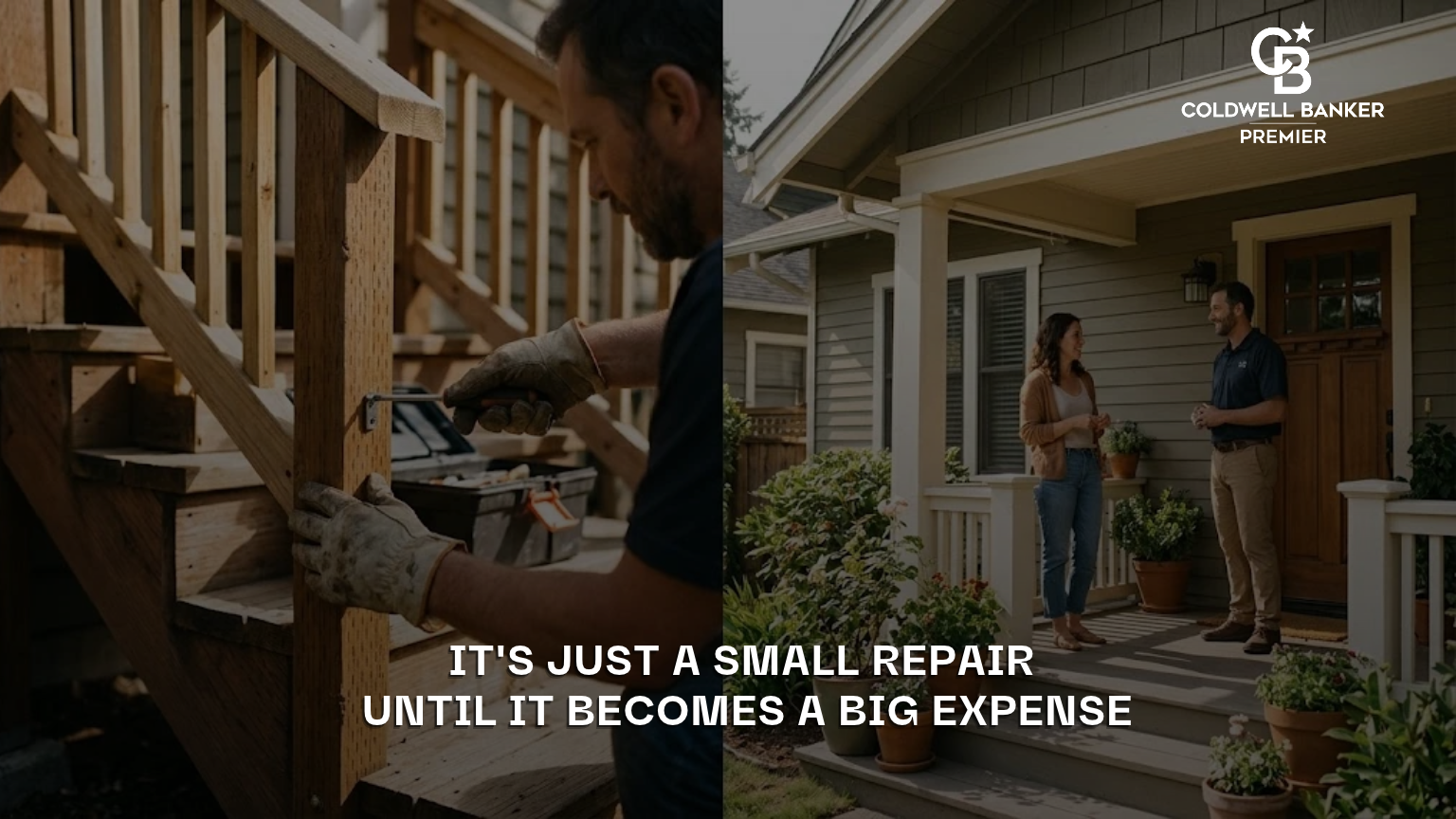
A dripping faucet. A loose railing. An air conditioning unit that doesn't sound quite right.
None of these problems may seem urgent at first. When you're managing a rental property, it's tempting to put smaller repairs on the back burner, especially when everything else seems to be running smoothly.
But rental property maintenance isn't just about fixing what's broken. It's about recognizing problems early, protecting the condition of your investment, and making decisions before minor issues become more complicated.
Small Problems Don't Always Stay Small
One of the biggest challenges of owning rental property is knowing which maintenance issues need immediate attention and which can be scheduled.
A minor leak, for example, may seem manageable until moisture affects surrounding materials. A small electrical issue may become more complicated if left unchecked. An ignored HVAC concern could lead to reduced system performance or an unexpected breakdown.
Not every repair turns into a major problem. However, delaying an issue without understanding its cause can make it harder to manage later.
The key is to take maintenance concerns seriously, assess them promptly, and decide on the appropriate next step.
Four Maintenance Mistakes Rental Owners Should Avoid
1. Waiting Until Something Breaks
Reactive maintenance means addressing problems only after something stops working.
While some unexpected repairs are unavoidable, waiting for a complete breakdown can limit your options. Regular inspections and timely attention to reported issues can help owners identify concerns before they become more disruptive.
2. Overlooking Tenant Maintenance Requests
A tenant reporting an issue is giving you information about the condition of your property.
Even if the problem appears minor, acknowledge the request, document it, and determine whether an inspection or repair is needed. Clear communication also helps tenants understand what to expect and when.
3. Choosing the Cheapest Repair Without Considering the Long Term
Cost matters, but the lowest initial quote isn't always the best decision.
Consider the quality of the work, the reliability of the contractor, the materials being used, and whether the repair addresses the underlying problem.
A repair that needs to be repeated can create additional expenses and inconvenience.
4. Failing to Keep Maintenance Records
Without organized records, it becomes harder to understand what has been repaired, what keeps recurring, and which systems may need attention.
Keep track of maintenance requests, inspection findings, invoices, warranties, and completed work. These records can help you plan future expenses and make more informed property decisions.
A Better Approach: Plan Before Problems Pile Up
You don't need to predict every repair. You do need a process for handling maintenance consistently.
Start with a few practical steps:
- Schedule routine inspections: Review the property's condition and identify areas that may need attention.
- Create a maintenance budget: Set aside funds for routine upkeep and unexpected repairs.
- Prioritize requests: Evaluate safety concerns, potential property damage, and other time-sensitive issues promptly.
- Build reliable vendor relationships: Know who to contact when repairs or inspections are needed.
- Track recurring problems: Look for patterns that may indicate a larger maintenance concern.
A clear process can make property ownership more manageable and help prevent maintenance decisions from becoming last-minute emergencies.
Is Managing Every Repair Taking More Time Than You Expected?
Owning a rental property involves more than collecting rent. It also means coordinating maintenance, communicating with tenants, managing vendors, keeping records, and making decisions that affect the property's condition.
For some owners, handling everything independently works well. For others, the time and responsibility become difficult to balance with work and other commitments.
Professional property management can provide support with day-to-day coordination, maintenance communication, and other responsibilities, depending on the services included in the management agreement.
The important thing is to understand what your property needs and whether your current approach is working.
Protect Your Investment by Paying Attention Early
A small maintenance issue may not seem like a priority today. But ignoring it without assessing the risk can create unnecessary complications later.
Good property ownership isn't about avoiding every repair. It's about making informed decisions, responding consistently, and having a plan for what comes next.
Your rental property deserves attention before a small problem becomes a bigger decision.
Explore property management resources from Real Estate Ownership Services to learn how professional support may help you manage your rental property.
Frequently Asked Questions
1. Why is preventive maintenance important for rental properties?
Preventive maintenance helps owners identify developing issues, plan repairs, and maintain the property's condition. It can also reduce the likelihood of certain unexpected breakdowns, although it cannot prevent every repair.
2. How often should a rental property be inspected?
Inspection frequency depends on the property, its systems, applicable laws, lease terms, and local requirements. Owners should establish a consistent inspection schedule while following required notice and access rules.
3. Which rental property repairs should be addressed first?
Issues involving safety, essential services, active leaks, potential property damage, or other urgent conditions should be assessed promptly. The appropriate response depends on the circumstances and applicable requirements.
4. Should landlords keep records of maintenance and repairs?
Yes. Maintenance requests, invoices, inspection reports, contractor details, warranties, and completed repairs can help owners track property condition, manage expenses, and identify recurring issues.
5. Can a property management company coordinate rental property maintenance?
Many property management companies offer maintenance coordination as part of their services. Owners should review the management agreement to understand what is included, how vendors are selected, and how repair approvals are handled.
Give Your Rental Property the Attention It Deserves
From maintenance coordination to day-to-day property responsibilities, the right management approach can make rental ownership easier to navigate. Explore how Real Estate Ownership Services can support your property management needs.
Visit RealEstateOwnershipServices.com to explore your options.
Real Estate Ownership Services
Professional Property Management